If the festival were a company
€100 m a day
€1.6 bn in 16 days is about €7.7 m per opening hour.
Sixteen days, 7.4 million visits, 6.7 million litres of beer. Then it is over, and Munich starts coughing. What did Oktoberfest cost, who made the money, and who picks up the tab?
Wiesn is what locals call Oktoberfest.
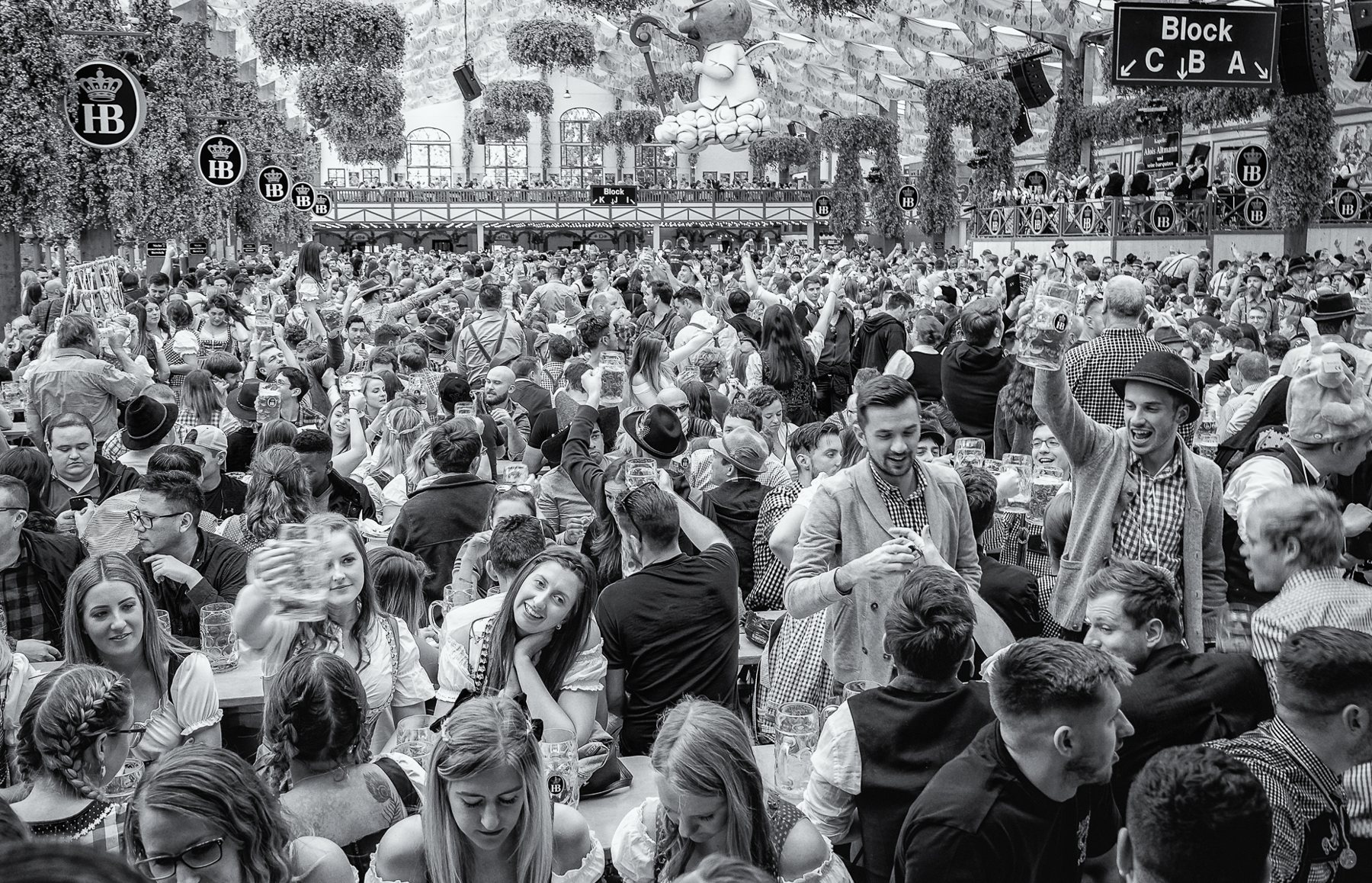
Every year Munich falls ill after the festival. Locals call it the Wiesn flu. About 2.7 million different people came, and eight in ten spent hours shoulder to shoulder in a beer tent. Nobody measures how many catch something there, so this is an estimate.
Of this, €41.7 m falls on the Munich region. Lost work accounts for €54.4 m, doctors and medicine for €4.9 m. Depending on the assumptions, the range runs from €2 m to €900 m.
Only a good third of the money stays on the festival ground. Most of it lands in hotels, restaurants, shops and taxis across the city. These are rough estimates, because real takings are not public.
About 12% of revenue is left as pre-tax profit, roughly €190 m in total. Hotels are the biggest winners with about €75 m. Rooms cost around three times the usual rate.
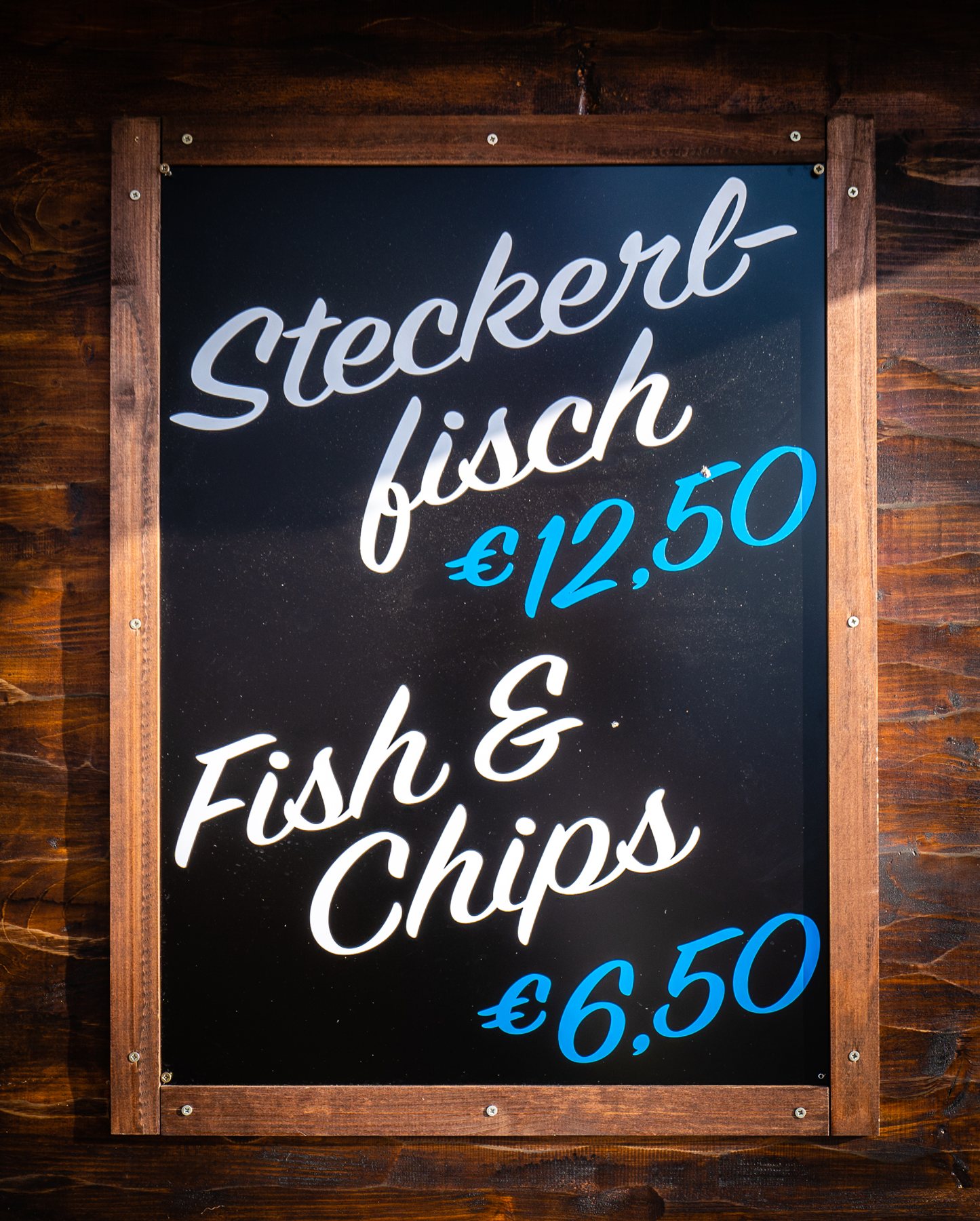
A Maß, the one-litre mug, cost €15.61 on average in 2026.
Purchase price, rent and staff share are estimates.
A few earn a lot, and many pay a little. That is no accusation. It is the distribution you see when you put both lists side by side.
Neither: the City of Munich. By law it may not make a profit on the festival.
About €190 m in profit for a few, about €190 m in costs for the many. For the region that is not a loss. It is a shift, and on top of it about €400 m of added value stays in the region.
Costs borne by others: Wiesn flu €59 m; police, hospitals and alcohol-related costs €38 m; CO₂ from travel €90 m (very rough).
Some things cannot be measured, only sketched on a beer mat. Each sum states its assumption. None is a forecast.

€1.6 bn in 16 days is about €7.7 m per opening hour.
One euro extra per litre, €5 entry per visit and a 5% bed tax. Almost exactly the cost of the Wiesn flu.
As in 2020 and 2021. The region would lose about €400 m of added value and save €100 to 190 m in follow-on costs.
Assume 2% of Munich’s overnight stays outside festival time exist only because of the festival’s fame.
Consumer prices have risen 6.6-fold since 1950. The price of a Maß has risen 17.6-fold.